Prepare Your Hair for Your Wedding day with a plan that helps your hair look healthy, feel manageable, and complement your bridal style.
Imagine trying on your wedding dress and picturing the perfect hairstyle, only to notice dry ends, frizz, thinning edges, or hair that refuses to hold a curl. With wedding appointments, outfit fittings, and countless little details to manage, the thought of fixing every hair concern can feel overwhelming.
You might even wonder if your hair will look as beautiful in photographs as you’ve always imagined. The good news is that preparing your hair doesn’t require expensive treatments or a completely different routine. With consistent care, suitable products, and enough time, you can help your hair look its best for your celebration.
One of the biggest mistakes brides make is waiting until the final week to address their hair concerns. Last-minute coloring, unfamiliar treatments, or excessive heat styling can leave hair feeling dry or irritated. Instead, start early and build a routine around your hair’s texture, condition, and styling needs.
If you’re still deciding on your wedding look, explore 25 Stunning Bridal Hairstyles for Every Hair Length and Wedding Style to discover styles that suit your preferences and dress.
Your preparation should also reflect the kind of hairstyle you want to wear. Loose curls, sleek buns, natural hairstyles, and loc updos can all require different preparation techniques.
For example, brides considering loc styles can find inspiration in 21 Stunning Bridal Locs Hairstyles for a Gorgeous, Elegant Wedding Look before planning their maintenance routine.
In this guide, you’ll learn how to prepare your hair for your wedding with practical steps that help you feel confident, comfortable, and beautiful on your special day.
How to Prepare Your Hair for Your Wedding Day
1. Start Your Wedding Hair Preparation Early
One of the best ways to Prepare Your Hair for Your Wedding is to give yourself enough time before the ceremony. Starting three to six months ahead can help you improve your routine, address manageable concerns, and decide which hairstyle suits you best. If your hair needs significant color correction or professional treatment, you may need even more time.
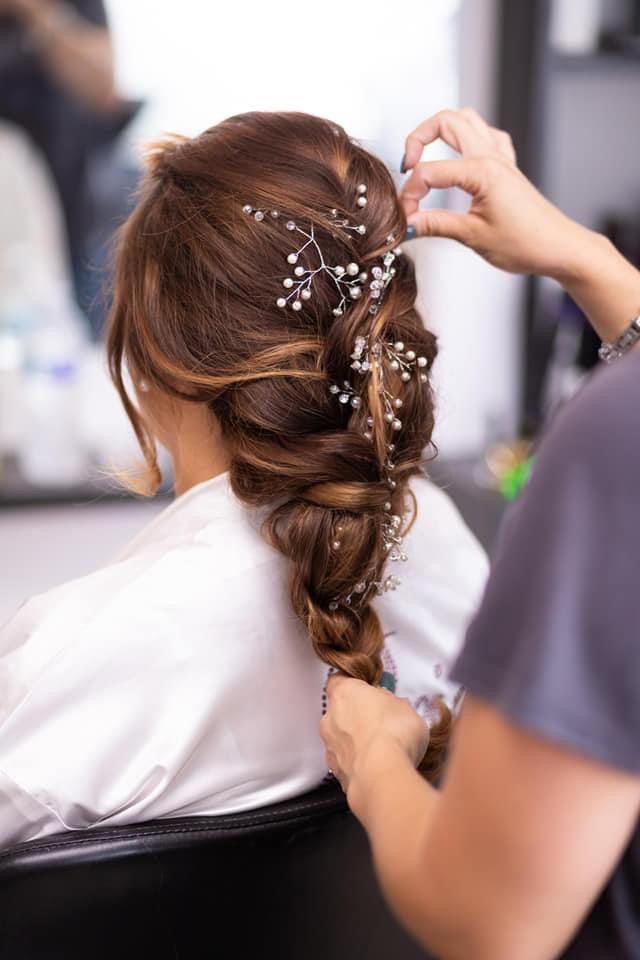
Begin by assessing your hair’s current condition. Notice if your ends feel dry, your scalp feels uncomfortable, or your hair breaks easily during detangling.
You should also consider your natural texture, length, and the amount of styling your hair can comfortably tolerate. These details will help you make better decisions about products and salon appointments.
Next, create a realistic schedule for washing, conditioning, trimming, and styling trials. You don’t need to purchase an entirely new collection of products. Instead, identify what already works and change only what needs improvement.
Starting early also reduces the temptation to try drastic treatments immediately before the ceremony. If you need help organizing your beauty appointments, explore When to Start Your Bridal Beauty Routine: A Stress-Free Timeline for Brides for additional planning inspiration.
2. Understand Your Hair Type and Its Needs
Your hair preparation routine should reflect your hair’s texture, density, porosity, and current condition. A routine that works beautifully for someone with fine, straight hair might not provide enough moisture for someone with thick, coily hair. Understanding these differences helps you avoid spending money on products that don’t address your needs.
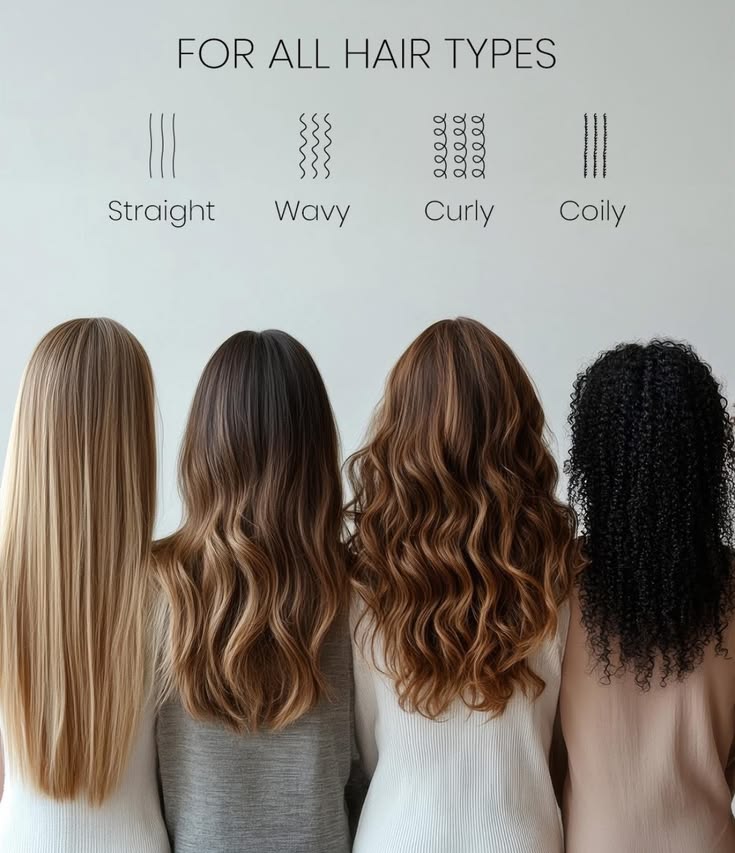
For example, fine hair can become weighed down by heavy oils and thick creams. Curly and coily hair may benefit from richer conditioners and careful detangling. Meanwhile, chemically treated or heat-damaged hair may need a gentler approach that prioritizes conditioning and reduced manipulation.
Pay attention to how your hair responds after washing. Does it feel dry quickly, become greasy at the roots, or tangle easily at the ends? These observations can guide your choices more effectively than following every trending hair routine.
If you wear locs, braids, or another protective style, consider the condition of your scalp and the maintenance your style requires. Avoid tight hairstyles that cause pain or excessive tension around your edges.
The goal is to work with your natural hair rather than force it into an unfamiliar routine. When you Prepare Your Hair for Your Wedding, understanding its needs gives you a better foundation for healthy-looking results.
3. Schedule a Professional Trim if Needed
A trim can help remove split ends and reduce the chance of damaged ends continuing to fray. This is particularly useful if your hair looks rough at the ends or tangles frequently. Still, trimming doesn’t make hair grow faster from the roots. Its main benefit is helping you maintain neater-looking lengths and manage existing damage.
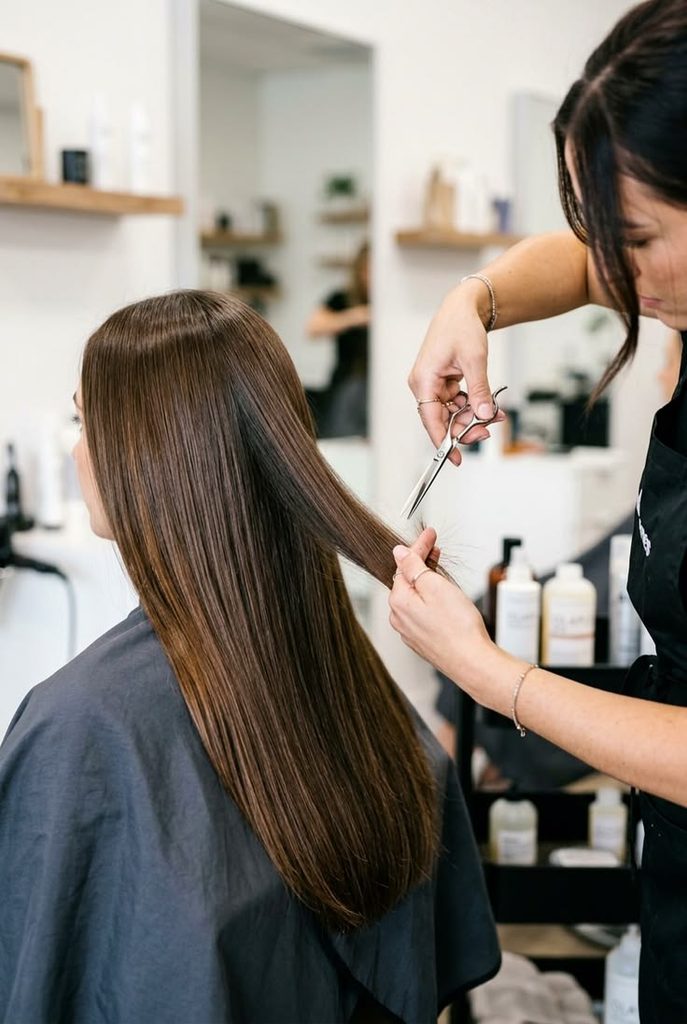
If you’re growing your hair for your wedding, explain your goal to your stylist before the appointment. Ask for a small trim rather than a dramatic cut if you want to preserve your length. You can also discuss whether your planned hairstyle would benefit from subtle shaping or face-framing pieces.
Avoid making a major haircut decision simply because a particular bridal hairstyle looks beautiful on someone else. Your hair length, density, and personal preferences should guide the decision. A professional can help you understand what is achievable without compromising your goals.
Schedule your trim early enough to get comfortable with the result. If you want a very precise shape, discuss the best timing with your stylist rather than experimenting during wedding week.
A well-planned trim can make your hair easier to style and help it look more polished in photographs. However, regular conditioning and gentle handling remain important for maintaining healthy-looking ends between appointments.
4. Build a Consistent Washing Routine
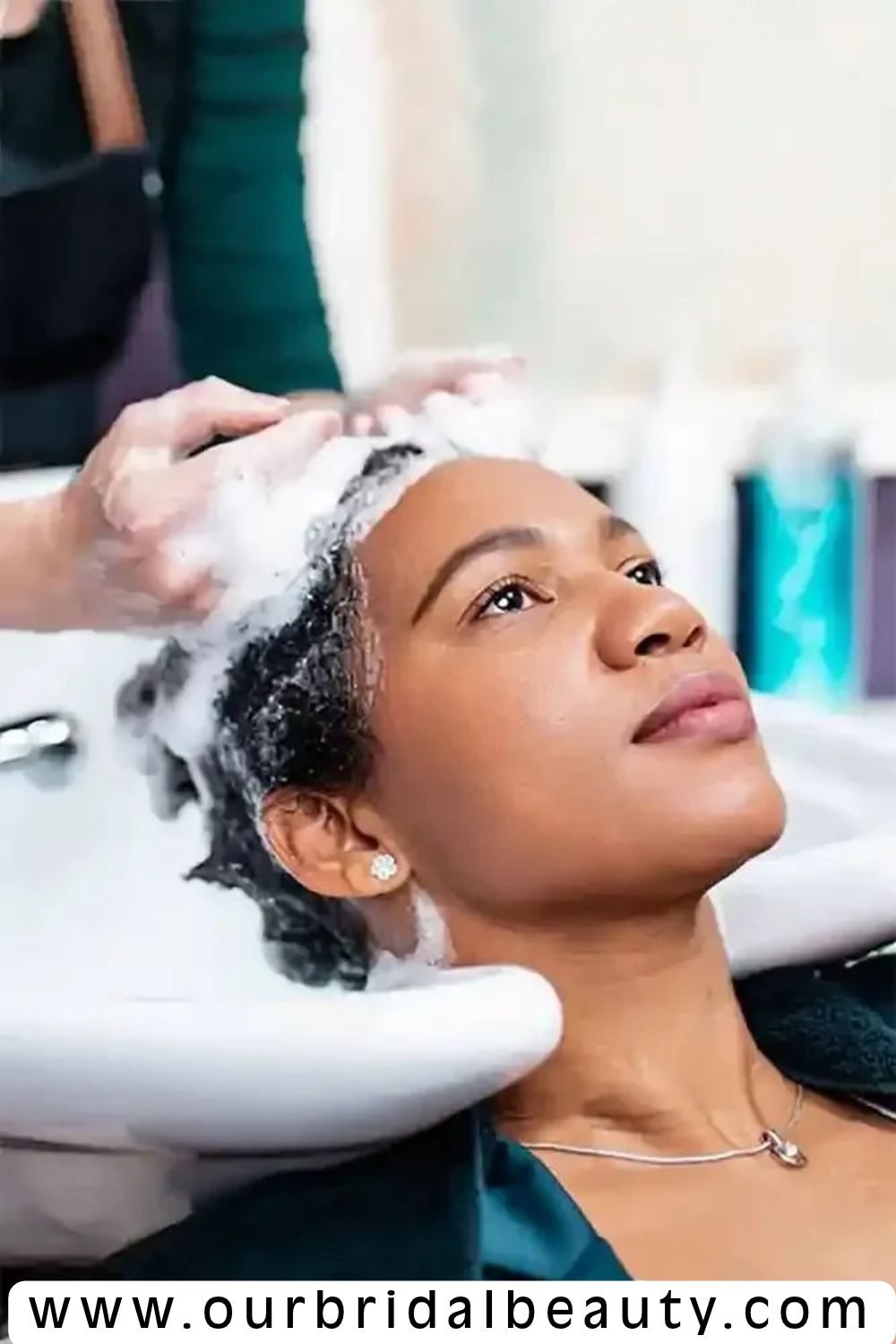
Clean hair and a comfortable scalp are important parts of wedding preparation. Your washing schedule should depend on your scalp, activity level, hair texture, and styling routine. Some people need to wash several times a week, while others can comfortably wash less frequently.
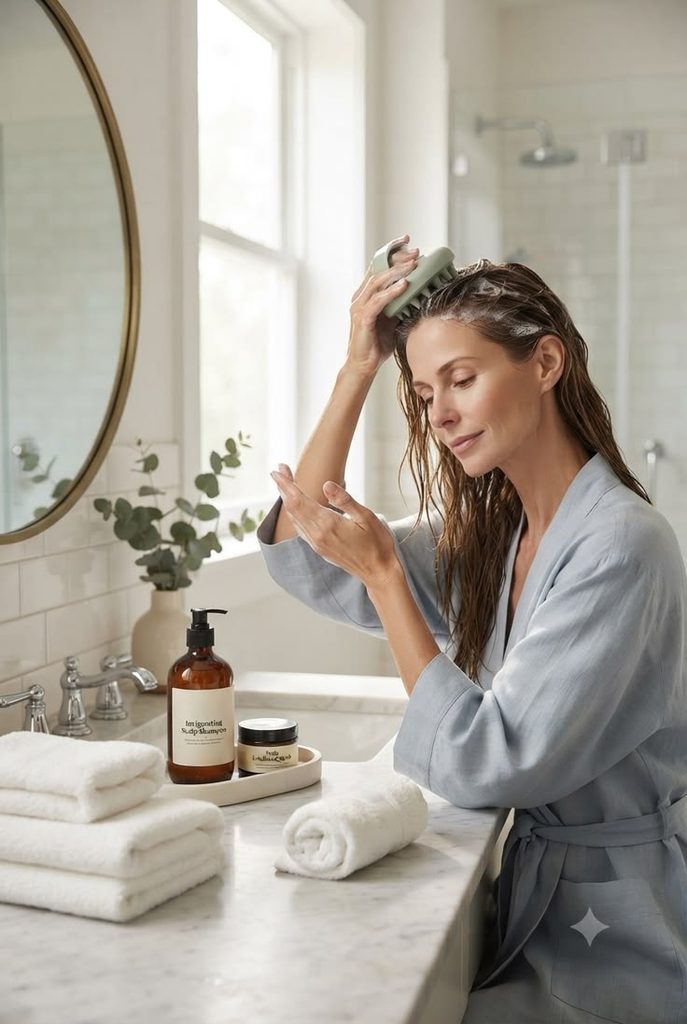
Choose a shampoo that removes excess oil, sweat, and product buildup without leaving your hair excessively dry. If you use styling products frequently, occasional clarifying may help remove residue. However, clarifying shampoos can be drying, so use them according to their instructions and your hair’s needs.
Focus shampoo on your scalp, using your fingertips rather than scratching with your nails. Let the lather rinse through the lengths instead of aggressively rubbing the ends together. Follow with a suitable conditioner to improve softness and make detangling easier.
Avoid suddenly changing your washing schedule just before the wedding. Your stylist may prefer freshly washed hair for certain styles, while other looks work better when the hair has been washed at a specific time. Discuss these details during your trial appointment.
A consistent routine can help you feel more prepared and reduce last-minute uncertainty. When you Prepare Your Hair for Your Wedding, remember that clean, comfortable hair is more important than following a rigid washing schedule that doesn’t suit you.
5. Use a Deep Conditioner or Hair Mask
If your hair feels rough, dry, or difficult to detangle, a conditioning treatment may help improve its softness and manageability. Deep conditioners and hair masks can provide additional conditioning beyond your regular rinse-out conditioner. The best choice depends on your hair’s texture, damage level, and response to different formulas.
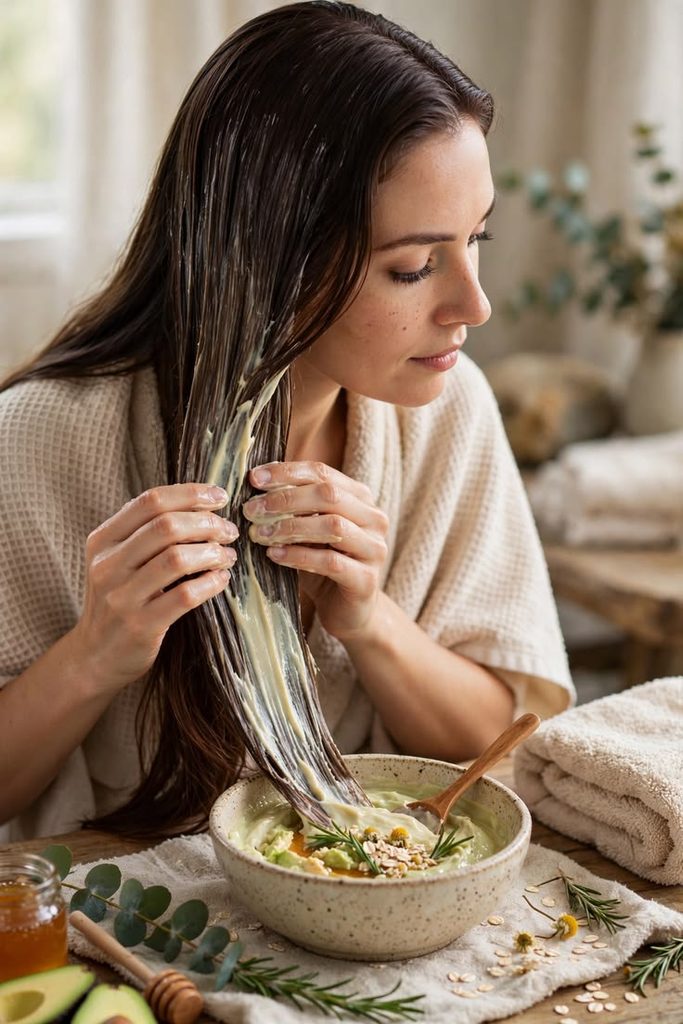
Look for products designed for your particular hair needs. Moisturizing formulas may help dry hair feel softer, while some treatments contain conditioning agents that temporarily improve the feel of damaged strands. If your hair has been chemically processed, ask your stylist whether a specialized treatment would be appropriate.
Follow the product directions carefully. Leaving a treatment on much longer than recommended doesn’t automatically improve the results. Likewise, applying multiple masks at once may leave your hair coated or difficult to style.
Begin using the treatment several weeks before your wedding so you can assess how your hair responds. If your hair becomes limp or greasy, you may need a lighter formula or less frequent use. Brides with locs should choose products carefully to avoid residue that is difficult to remove.
A suitable conditioning treatment can make detangling and styling easier. Still, it cannot permanently repair split ends or reverse all structural damage. Think of it as one helpful step in a broader routine rather than a quick fix.
6. Protect Your Hair From Excessive Heat
Frequent heat styling can contribute to dryness, breakage, and changes in your hair’s texture. This can be frustrating when you’re preparing for a hairstyle that requires curls, a sleek finish, or added volume. Reducing unnecessary heat exposure before your wedding can help limit avoidable damage.
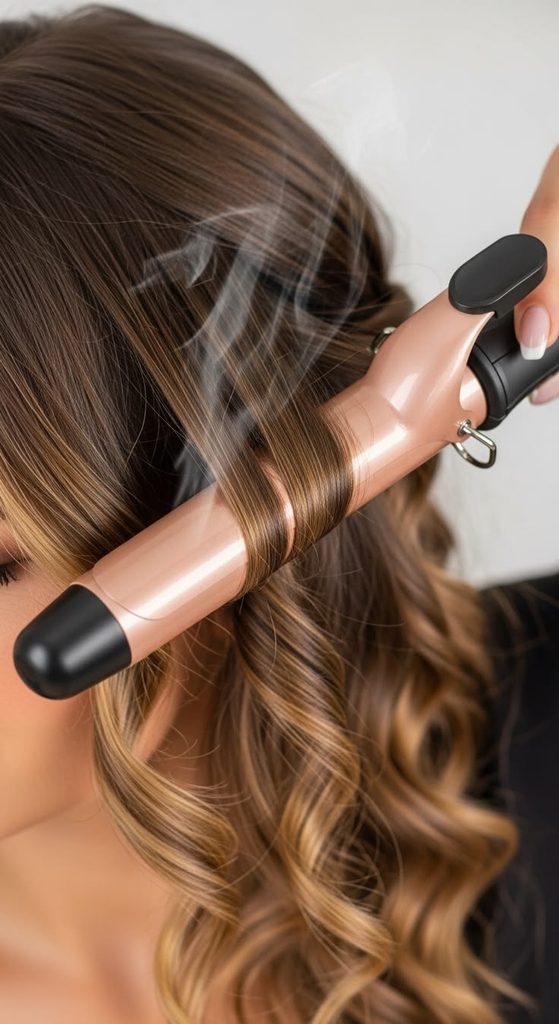
Start by identifying which styling steps genuinely require heat. You may be able to air-dry your hair partly before blow-drying or choose heatless methods for some looks. When heat is necessary, use a suitable heat protectant and follow its instructions.
Choose the lowest effective temperature for your hair type and condition. Avoid repeatedly passing a hot tool over the same section, and don’t use a flat iron or curling iron on damp hair unless the tool is specifically designed for that use. Fine, damaged, or chemically treated hair often needs extra caution.
A trial appointment can help you and your stylist determine how much heat your chosen hairstyle requires. This is particularly useful if you want curls that last throughout a long ceremony and reception.
Protective habits are especially valuable when you’re growing your hair or trying to retain length. To Prepare Your Hair for Your Wedding, prioritize gentle handling over daily styling experiments. Your goal is to arrive at the ceremony with hair that feels manageable and suits your chosen look.
7. Keep Your Scalp Clean and Comfortable
A healthy-looking hairstyle starts with a scalp that feels clean and comfortable. If you’re dealing with itchiness, flakes, excess oil, or product buildup, address these concerns before your wedding. Otherwise, discomfort may distract you during styling appointments or make wearing your chosen hairstyle less enjoyable.
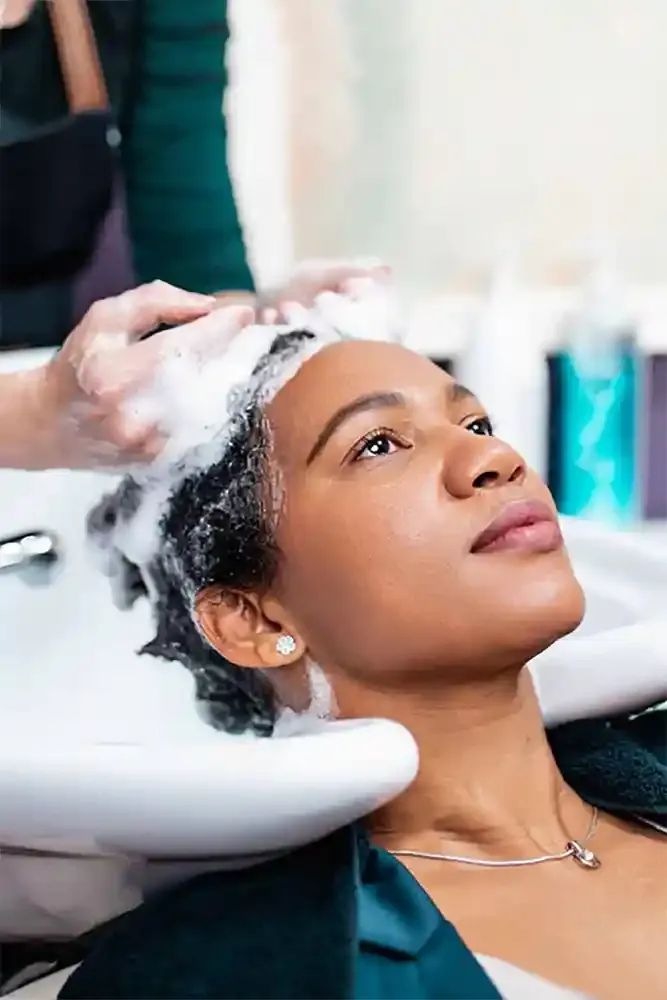
Choose scalp products based on your actual needs. A gentle shampoo may be enough for everyday maintenance, while persistent dandruff may require a suitable medicated shampoo. Follow the directions carefully and avoid layering multiple scalp treatments without understanding how they work together.
When washing, massage your scalp gently with your fingertips. Avoid scratching with your nails, especially if your skin feels irritated. Heavy oils and styling products can also contribute to buildup for some people, so don’t assume that applying more oil will automatically improve scalp health.
If you notice persistent itching, painful bumps, unusual shedding, or significant flaking, consult a dermatologist. These symptoms may need more than cosmetic products. Getting professional advice early gives you time to address the concern without rushing into unfamiliar treatments.
As you Prepare Your Hair for Your Wedding, remember that scalp care should focus on comfort and cleanliness rather than excessive scrubbing. A simple routine that suits your scalp is often more helpful than purchasing numerous products marketed for hair growth.
8. Protect Your Hair While Sleeping
Your nighttime habits can affect how much friction your hair experiences while you sleep. Repeated rubbing against cotton bedding may contribute to tangling, frizz, and breakage, particularly if your hair is curly, coily, long, or prone to dryness.
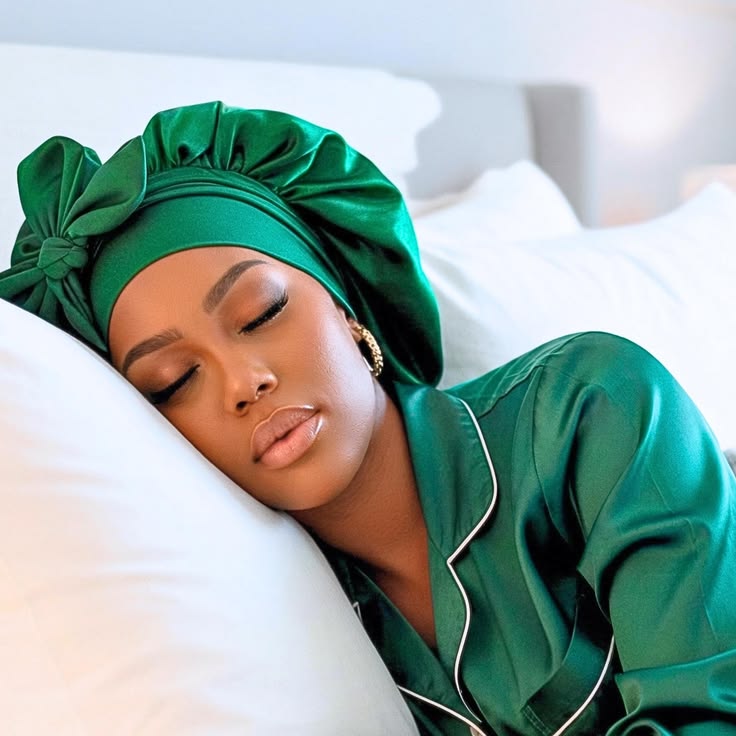
A satin or silk pillowcase can reduce friction for some people. You can also try a comfortable satin bonnet or scarf if it stays securely in place without pulling on your hairline. Choose an option that feels breathable and doesn’t cause excessive sweating or discomfort.
If your hair is long, loosely securing it before bed may help prevent tangles. Avoid tight ponytails, firm buns, or hairstyles that pull on the edges. Brides with locs should choose a bonnet or covering that accommodates their loc length without flattening or bending them uncomfortably.
Consistency matters more than buying several accessories. Find one protective option that works for you and use it regularly during the months leading up to your wedding. This is particularly helpful if you’re trying to preserve a hairstyle between wash days.
A good nighttime routine won’t transform damaged hair overnight, but it can reduce unnecessary friction. When you Prepare Your Hair for Your Wedding, protect your hair during rest as well as during daytime styling.
9. Plan Hair Color Changes Carefully
If you want to color your hair for your wedding, planning ahead is essential. A new shade can beautifully complement your dress, makeup, and overall bridal style. Still, coloring too close to the ceremony can create unnecessary stress if the result differs from your expectations.
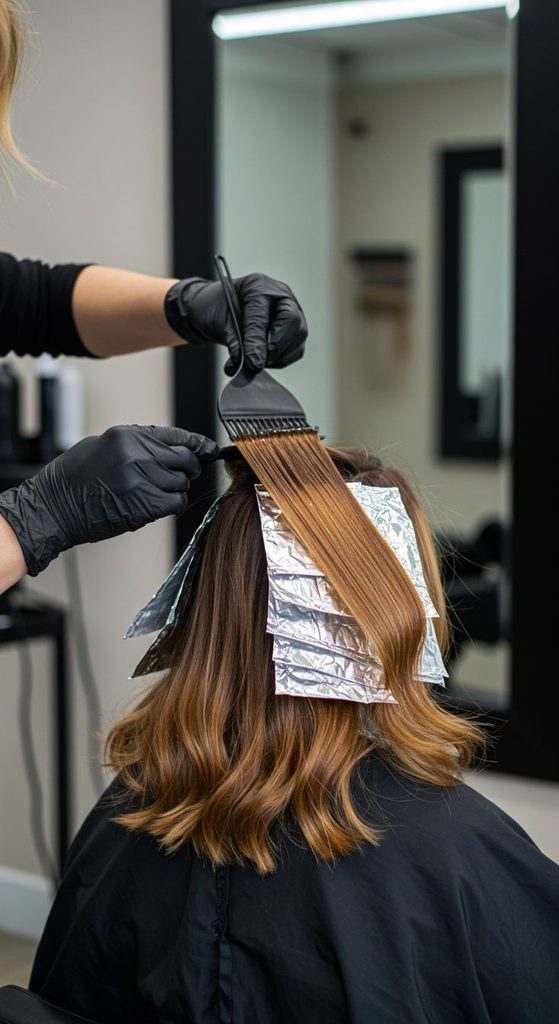
Start by discussing your desired color with a professional stylist. Bring inspiration photographs and explain whether you want a subtle change, highlights, or a more dramatic transformation. Your natural color, previous treatments, and hair condition will influence what is achievable.
Consider scheduling major color changes well in advance. This gives you time to assess the result, make adjustments if necessary, and maintain your hair’s condition. If you’re trying a new product or treatment, follow professional guidance and the product’s safety instructions.
For some brides, maintaining their natural color is the easiest and most comfortable choice. You can still create a beautiful bridal look through styling, accessories, and thoughtful hair preparation. There’s no need to color your hair simply because it feels expected for a special occasion.
If you already color your hair, ask your stylist when a refresh would be most suitable. Timing depends on your shade, root growth, and chosen hairstyle.
The key is to avoid rushed decisions. A planned color appointment can help you feel confident, while last-minute experimentation may create problems you don’t have time to resolve.
10. Eat Well and Support Healthy Hair Growth
Hair preparation isn’t only about the products you apply. Your body also needs adequate nutrition to support normal hair growth and maintenance. A balanced diet can help provide the protein, vitamins, and minerals your body uses to maintain healthy hair.

Include a variety of foods, such as eggs, beans, fish, meat, leafy vegetables, fruit, nuts, and whole grains, according to your dietary preferences.
Protein is particularly important because hair fibers are primarily made from a protein called keratin. Eating regularly and avoiding extreme dieting can also support your general well-being during a busy wedding-planning period.
Be cautious with hair-growth supplements that promise dramatic results. Supplements aren’t necessary for everyone, and excessive amounts of certain nutrients can be harmful. If you suspect a nutritional deficiency or have unexplained hair shedding, speak with a healthcare professional before starting supplements.
Remember that hair growth takes time. A few weeks of eating differently won’t dramatically change your hair length before the ceremony. However, nourishing meals can support your overall health while you maintain a gentle haircare routine.
Stress management and adequate sleep are also worth prioritizing. Wedding planning can be demanding, so allow yourself time to rest between appointments. When you Prepare Your Hair for Your Wedding, focus on sustainable habits instead of quick fixes that promise unrealistic results.
11. Schedule a Bridal Hairstyle Trial
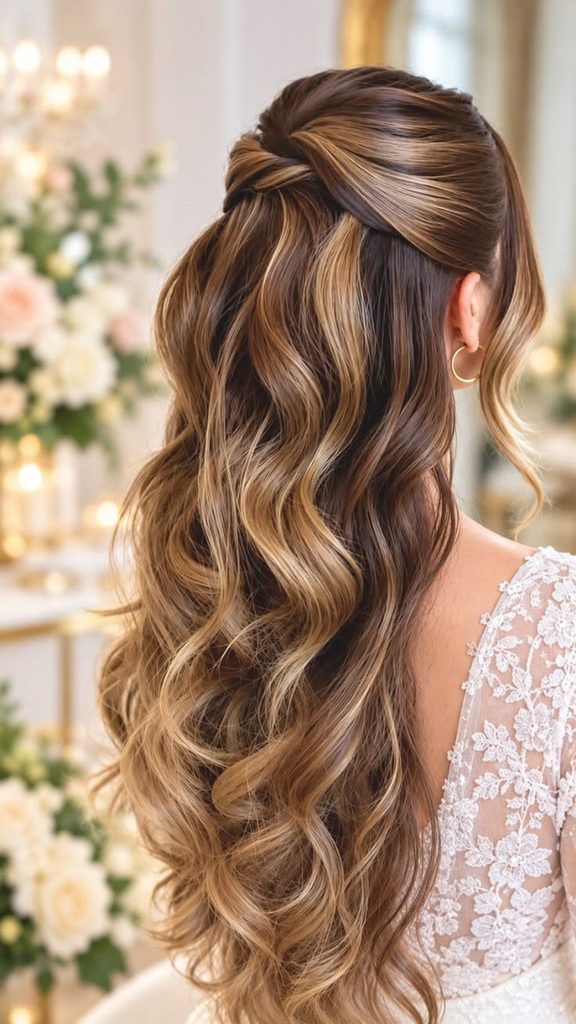
A bridal hairstyle trial gives you the chance to test your chosen look before the wedding day. It helps you discover whether the style suits your face, dress, hair length, and personal preferences. Most importantly, it reduces the risk of making major styling decisions under pressure on the morning of your ceremony.
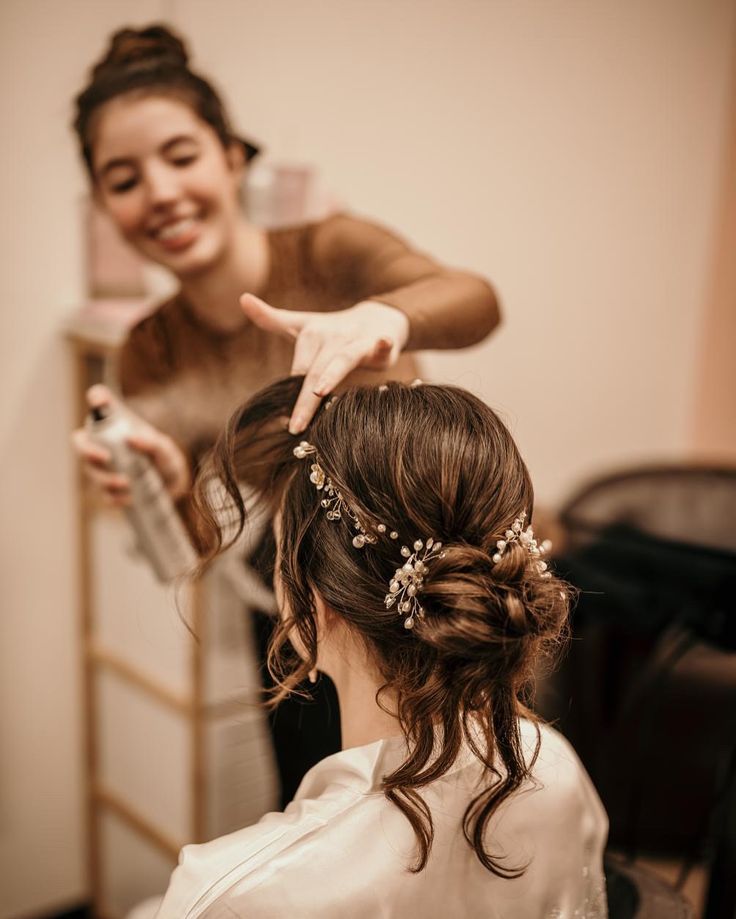
Bring photographs of hairstyles you like, along with pictures of your wedding dress and veil if you have one. Explain how you want your hair to look from the front, sides, and back. Your stylist can then suggest adjustments based on your hair’s natural texture and density.
During the trial, pay attention to comfort as well as appearance. A style may look beautiful but feel too tight or heavy after several hours. Tell your stylist immediately if pins pull, accessories feel unstable, or your scalp becomes uncomfortable.
Take photographs in different lighting and angles. If possible, wear the hairstyle for several hours to see how it holds up as you move around. This gives you a more realistic idea of what to expect during the actual celebration.
You can also explore 17 Beautiful Wedding Veil Hairstyles That Look Romantic and Timeless for inspiration if you plan to wear a veil.
12. Choose Products That Support Your Final Hairstyle
The products you use should support your chosen hairstyle without leaving your hair heavy, sticky, or difficult to manage. A sleek bun, soft curls, and a natural textured style may each require different products. Your stylist can help you decide what is necessary based on your hair type and the expected weather.
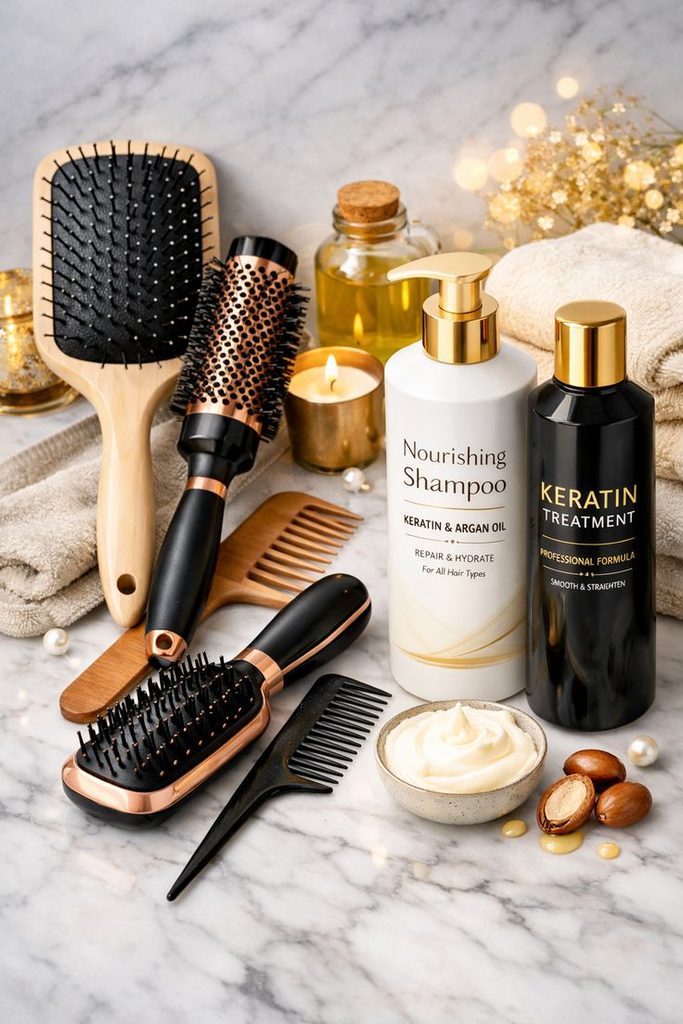
For example, lightweight mousse may help create volume in fine hair, while a suitable styling cream can help define curls. Hairspray may provide hold for an updo, and heat protectant can reduce damage during heat styling. These products serve different purposes, so you don’t need to use all of them together.
Consider the setting of your wedding. Humidity, wind, and outdoor conditions may affect how well a style holds. Discuss these factors during your trial so your stylist can choose appropriate products and techniques.
Avoid trying several unfamiliar products in the final days before your ceremony. Some formulas may cause buildup, irritation, or unexpected changes in texture. Testing your styling routine ahead of time gives you room to make adjustments.
The aim is to help your hairstyle stay comfortable and beautiful throughout the day. With thoughtful product choices, you can Prepare Your Hair for Your Wedding without overloading it with unnecessary layers.
13. Prepare Your Hair for Your Veil and Accessories
Your veil, tiara, comb, or decorative pins can transform a bridal hairstyle. However, these accessories need to work with your hair’s length, density, and styling requirements. Planning them early helps prevent uncomfortable adjustments when you’re already dressed and preparing to walk down the aisle.
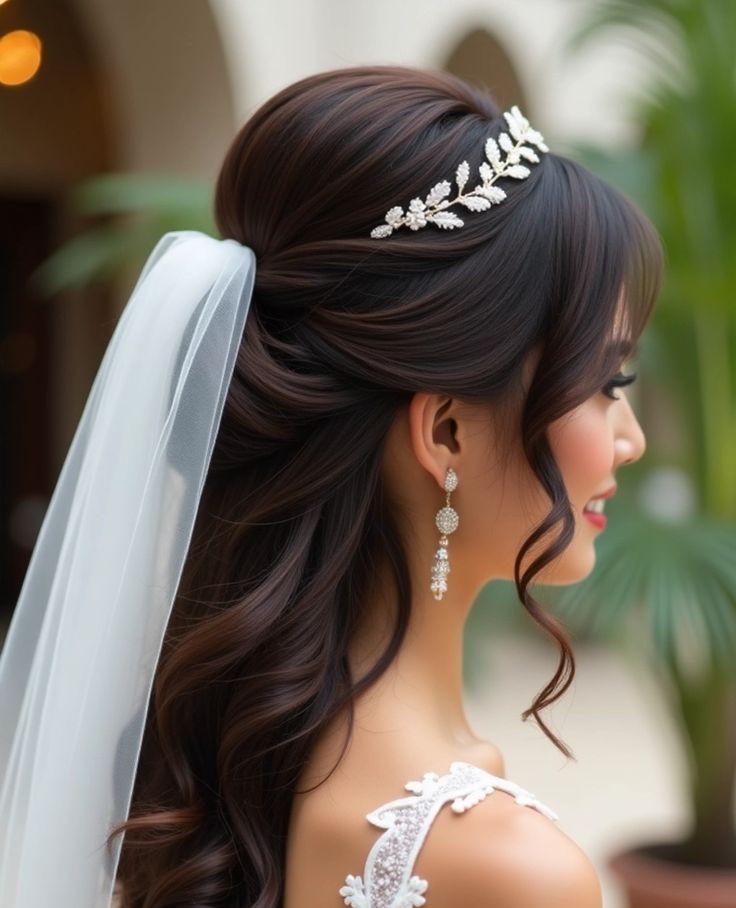
Bring your accessories to your bridal hairstyle trial whenever possible. Your stylist can test where the veil should sit, how securely the comb attaches, and whether the accessories remain balanced. This is particularly important if you want a sleek bun, intricate updo, or hairstyle with significant volume.
Consider the weight of your accessories before choosing your final look. Heavy pieces may need additional support, while delicate clips might not stay securely in certain hair textures. Your stylist can recommend suitable placement techniques without creating unnecessary tension.
If you’re wearing a veil, decide whether you’ll remove it after the ceremony. Your stylist can plan a secure attachment that allows for easier removal without disturbing the entire hairstyle. Also, bring any decorative pieces that need to coordinate with your dress.
For more inspiration, explore The Ultimate Bridal Beauty and consider how your hairstyle, accessories, and overall appearance will work together. Thoughtful preparation helps your final look feel coordinated rather than assembled at the last minute.
14. Avoid Major Hair Experiments During Wedding Week
The final week before your wedding is the time to rely on familiar routines. A sudden haircut, unfamiliar chemical treatment, or experimental hair color could leave you with a result you didn’t expect. Even products you’ve seen recommended online may not work well with your hair.
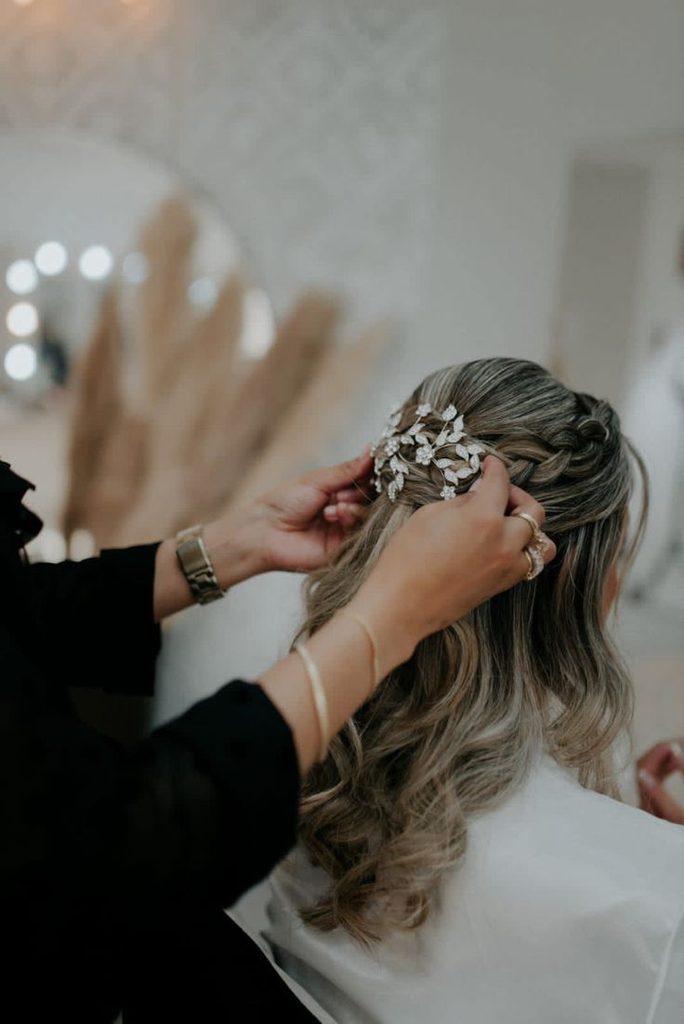
Instead, follow the routine you’ve already tested. Wash your hair according to your stylist’s instructions, condition it appropriately, and avoid unnecessary heat styling. If your hair is prone to tangling, detangle gently and use suitable conditioning products to make the process easier.
Don’t assume that every bride needs freshly washed hair on the morning of the wedding. Some hairstyles work best on clean hair, while others may hold better when the hair has been washed at a particular time. Ask your stylist for clear instructions well before the ceremony.
You should also avoid tight hairstyles that pull on your edges or cause scalp discomfort. If you’re wearing braids, locs, or another protective style, ensure your maintenance schedule leaves your scalp comfortable.
Keep your wedding-week routine simple and predictable. This is not the moment to test several new oils, masks, or styling creams. When you Prepare Your Hair for Your Wedding, familiarity and careful planning can be more valuable than chasing a last-minute transformation.
15. Create a Wedding-Day Hair Emergency Kit
Even a carefully planned hairstyle may need a small adjustment during a long wedding celebration. Wind, humidity, dancing, and veil removal can loosen a few strands or shift accessories. Preparing a small hair emergency kit helps you handle these minor issues without panic.
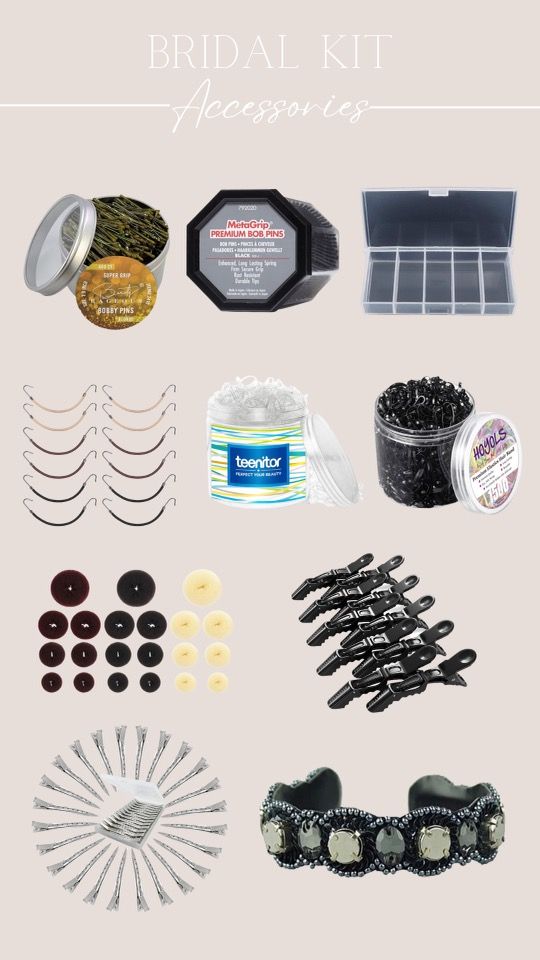
Include essentials such as bobby pins that match your hair color, a small comb, a few suitable hair ties, and travel-sized hairspray if your style requires it. You may also want a few spare clips or the specific accessories your stylist recommends.
Ask your hairstylist which items are appropriate for your final look. Curly hairstyles may need a different touch-up approach from sleek buns or braided styles. Avoid brushing out curls or applying extra products without understanding how they might affect the finish.
Give the kit to a trusted friend, bridesmaid, or family member who can keep it nearby. This way, you won’t need to search through your handbag while greeting guests or preparing for photographs.
If your hairstyle requires significant professional maintenance, arrange a quick touch-up option with your stylist when possible. A small kit cannot fix every problem, but it can help you manage minor changes.
Your wedding day should be about enjoying the celebration rather than worrying about every strand. A little preparation allows you to focus on the moments that matter.
Final Thoughts
Learning how to Prepare Your Hair for Your Wedding starts with understanding what your hair needs and giving yourself enough time to care for it. Consistent washing, suitable conditioning, gentle detangling, and reduced heat exposure can help your hair feel more manageable.
You don’t need to follow every trending routine or purchase expensive products to achieve a beautiful bridal hairstyle. Instead, focus on habits that suit your natural texture, scalp, and styling goals.
Remember that your chosen hairstyle should feel as comfortable as it looks. Schedule a trial, bring your veil and accessories, and discuss any concerns with your stylist before the wedding week.
Avoid drastic changes at the last minute, and follow the preparation instructions that work best for your particular style. These simple steps can reduce unnecessary stress and help you feel more confident when the photographs begin.
Most importantly, give yourself permission to enjoy the process. Healthy-looking hair doesn’t have to be perfectly smooth, exceptionally long, or styled in a particular way to be beautiful.
Even if you choose romantic curls, a classic bun, a natural hairstyle, or an elegant loc updo, the right preparation can help you feel like yourself on your special day. Trust your plan, embrace your natural beauty, and enjoy every moment of your wedding celebration.